
- What is an expense report?
- Types of Expense Reports
As part of the business world, employees frequently travel to attend conferences, meet with clients on-site, or explore new business opportunities. In most cases, this also involves financial expenses, which is why employees submit a detailed expense report after the business trip. The private expenses are then billed to the company.
Key Takeaways
- As part of the business world, employees frequently travel to attend conferences, meet with clients on-site, or explore new business...
- Understanding types of expense reports helps businesses make informed financial decisions and stay compliant.
- There is no legally required format for expense reports.
What is an expense report?
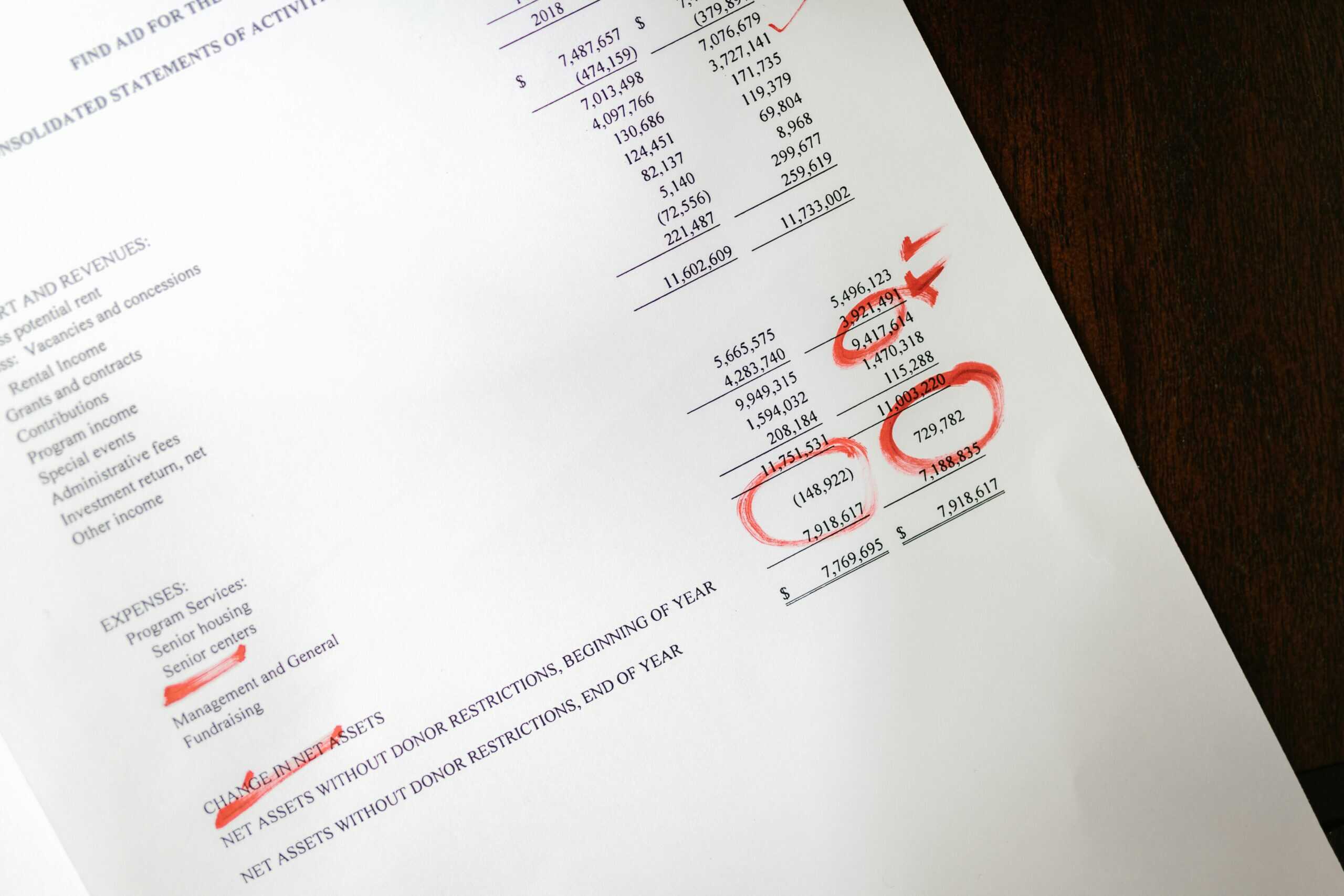
An expense report is a tool employees use to document the necessary expenses incurred in connection with their business trip and submit them to their employer for reimbursement. This allows the relevant accounting or finance departments to offset employees’ advance personal expenses. This practice is intended to ensure that employees do not have to bear the costs of the business trip themselves, especially since the business trip was usually undertaken at the company’s request.
For companies, however, expense reports are an important tool for controlling business expenses, managing budgets transparently, and handling taxes correctly.
It should be noted that only expenses directly related to business activities can be claimed on the submitted expense reports. Private activities such as a trip to the cinema are not covered and are therefore non-reimbursable. Expenses usually include transportation, accommodations, meals, and other essentials related to the business trip.
Examples of items that can be expensed
Expenses are expenses used to generate revenue. Specifically, entertainment expenses, meeting expenses, and office supplies can be recorded as expenses. On the other hand, expenses that are unrelated to the purpose of generating revenue, such as taxes, are not considered expenses.
| Account | Examples |
|---|---|
| Employee Benefits | Travel expenses, housing allowance, maintenance and management costs of resort facilities, etc. |
| Consumables cost | Stationery, printing paper, gasoline, etc. |
| Entertainment expenses | Food and drink expenses, midyear gifts, year-end gifts, etc. |
| Travel expenses and transportation expenses | Train fares, taxi fares, accommodation, etc. |
Types of Expense Reports
Also, although it depends on the company, expense reports are generally divided into several types. This is because for tax and financial accounting purposes, accounting departments must make journal entries for each account item. at the main types of expense reports and their roles in the table below.
| Types of Expense Reports | Description |
|---|---|
| Transportation expense report | Documents for employees to reimburse travel expenses |
| Advance Expense Report | Documents to be used to settle expenses incurred in the course of business that have been paid in advance by employees at a later date. |
| Business trip travel expense report/travel expense report | Documents for settling expenses incurred during a business trip, such as transportation, accommodation, and dining expenses at the business trip destination |
| Provisional Expense Report | Documents to settle the difference between provisionally paid expenses and actual expenses |
Who can claim expenses?
When you think of expense reports, you usually immediately think of employees of a company who travel or incur business expenses on behalf of their employer. In fact, it’s often representatives/field staff, executives, or employees who have made legitimate business trips who submit expense reports.
Nevertheless, self-employed individuals and freelancers can also submit expense reports and thus reclaim expenses paid with their own money. However, they often record their expenses as business expenses and claim them as income-related expenses on their tax returns. Even if these groups of individuals pay their expenses out of their own pocket, it is important to document these expenses transparently in order to be able to demonstrate to the tax office what the money was spent on.
Items to be included in an expense report and how to write it
There is no legally required format for expense reports. You must follow the rules established within your company. Next, we will explain the main items to be included in an expense report and the process for expense settlement.
Items to be included in the expense report
When creating an expense report, the following six items are generally required. These items are necessary for accounting personnel to properly manage and process expenses.
- Application date (date the expense report was created)
- Payment date (date the expense was actually incurred)
- Information on the employee making the application (name, employee number, department, etc.)
- Business partner (receiver of expenses)
- Transaction details (purpose of expenditure)
- Amount
What expenses are there?
With an expense report, employees on the move list in detail the costs they incurred during their business trip. Expenses are usually categorized into four groups these include transportation, meals, accommodation, and other expenses.
Below you will learn which expenses belong to the respective expense categories and which cost types and flat rates must be taken into account:
Promotion
Transportation and travel expenses are an essential component of expense reports. Direct costs include all expenses for transportation used during business activities to get from the starting point to the respective destination. These include, for example, airline tickets, train, bus, and taxi fares, as well as expenses associated with renting a car.
These expenses are also often referred to as travel expenses.
In this context, it’s important to note that travel by company car and private car are different. The company car already belongs to the company, so these costs don’t appear on the expense report. However, unforeseen repair costs can be claimed if no company credit card is available or the employer doesn’t cover the repairs directly.
For example, journeys made by private car must be accurately documented in a logbook and supported by receipts to be reimbursed. Alternatively, a mileage allowance of 30 cents per kilometer driven can be applied. However, in both cases, the fuel used is a legitimate expense and therefore reimbursable.
Accommodation
For business trips lasting several days, another major expense item on the expense report is employee accommodation. This includes the costs of a hotel, an Airbnb, a guesthouse, or a rental apartment. These costs are generally fully reimbursed.
However, if breakfast is included, it should be noted that any breakfast costs are listed separately on the hotel bill. If this is not the case, the refundable amount must be reduced by a flat rate of 20% and allocated to the additional meal expenses.
On-site catering
Meals refer to traditional expenses for food and beverages during a business absence, including the day of arrival and departure. To simplify billing for all involved, so-called meal allowances have been introduced. These are as follows:
- Travel time under 8 hours: no additional meal costs
- Travel time between 8 and 24 hours: $14
- Travel duration over 24 hours: $28 per day
Other expenses
In addition to these obvious expenses, however, business trips often also involve many smaller expenses. Anything that doesn’t fall into the three categories mentioned above is allocated to this cost type in the expense report.
These expenses can include the purchase of necessary work materials, telephone calls, internet access (e.g., at a hotel), postage costs for sending important documents and packages, and parking and restroom fees. However, admission to conferences and trade fairs also fall into this category. In order for these amounts to be reimbursable, receipts, or invoices must also be submitted along with the expense report.
How does an expense report work?
To make the concept of expense reporting clearer, we have prepared an example below.
Example of an expense report:
The employee is traveling for her employer at a trade fair in New York from Tuesday to Thursday. The train ticket to and from the venue costs $68, a two-night hotel stay costs $300, and the trade fair entrance fee costs $90. She paid for her own meals.
This results in the following expense report:
Expense Type
Cost
Ticket
$68
Accommodation
$300
Catering
$56
Other costs
$60
Total Cost
$514
For this business trip, expenses amounting to $514 can be claimed in the expense report.
Special features
However, there are a few important points to consider when submitting an expense report:
- The above-mentioned meal allowances apply only to domestic travel. For business and professional trips abroad, the allowances established for the respective country must be taken into account.
- Employees must use accommodation provided by their employer and cannot book a hotel on their own. Overnight stays with friends or family can be billed at a flat rate of $20.
- Company canteens must be given priority over other dining options.
- The reductions for lunch and dinner are $11.20 each (40%), while for breakfast it is only $5.60 (20%).
Expenses and taxes
If the employer reimburses the expense report, it is tax-free for the employee. After all, the expenses were included in the employee’s already taxed income. Nevertheless, the expense report should be attached to the employee’s tax return.
However, if the employer does not reimburse travel expenses, affected employees can claim the expenses on their tax return. This is then included as business expenses. Here, too, it is recommended to fully document each trip.
Do expenses have to be reimbursed?
Employees who wish to have their expenses reimbursed are required to submit accurate, complete, and accurate expense reports. However, if employees fail to do so, their employer is not obligated to reimburse the privately incurred expenses.
Conversely, this also means that as soon as an employee submits a proper travel expense report within the statutory three-year period, the company is obligated by the Civil Code to reimburse the claimed expenses. Although a company’s travel policy can shorten the deadline, the minimum period allowed is three months.
Note: An expense report with excessive/incorrect amounts with which the employee intends to enrich himself or herself at the expense of the company is grounds for termination without notice.
Related resources: Use Billed's expense tracking to automate report creation, and learn how to create an expense in Billed.