
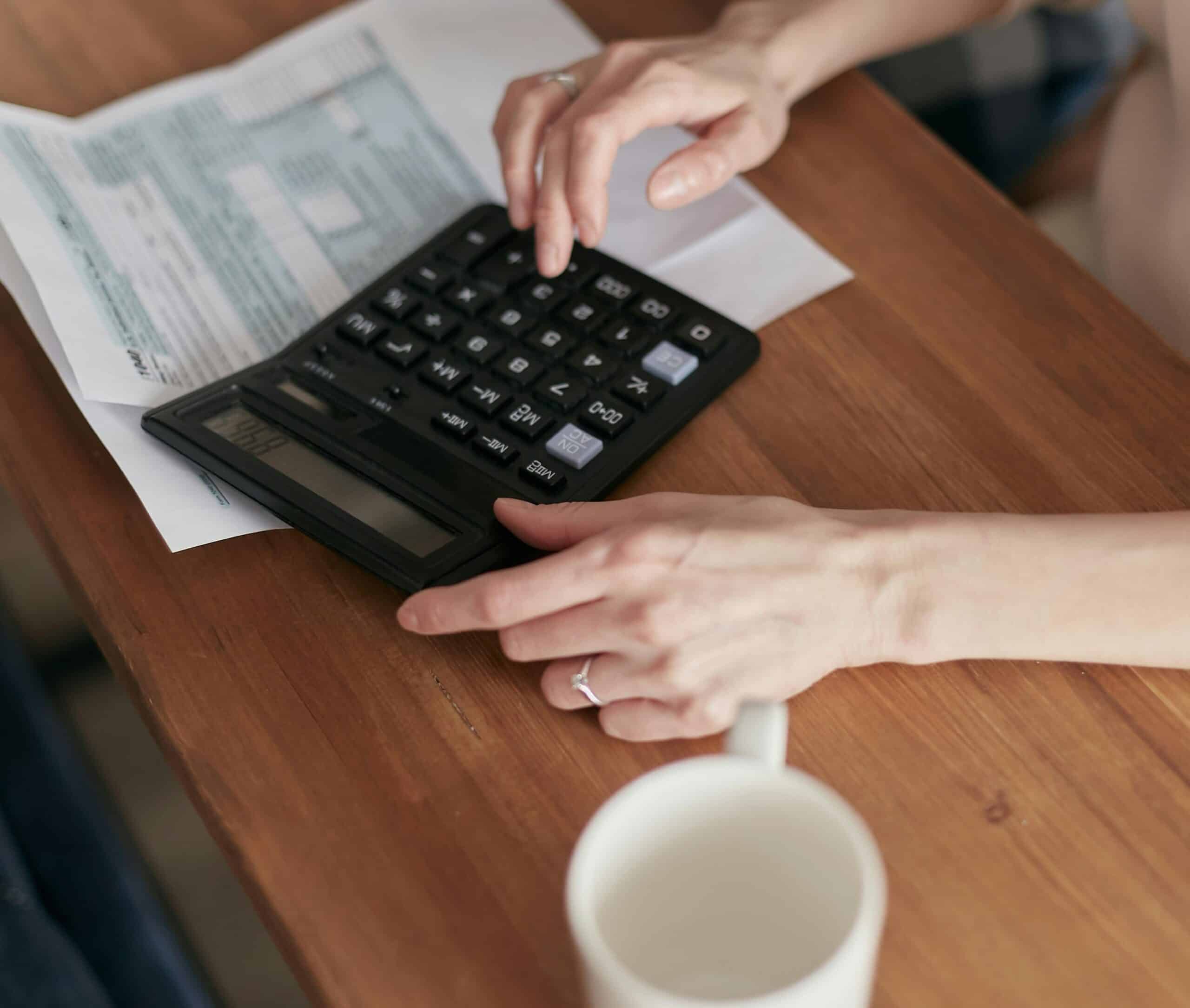
- What to do with the invoice after receiving it?
- Common Issues in Invoice Handling
This guide covers how to simplify your invoicing process a simple guide in practical detail, including what it means, how it works, and when to use it.
How we verified this
We cross-referenced public data (BLS, SBA, Federal Reserve, major industry reports) against our own review of this topic. Where specific numbers appear, we link the primary source. Where sources disagree, we note the discrepancy rather than pick a single figure.
In accounting work, processing professional invoices after they are received is one of the most cumbersome and burdensome tasks. From receipt to storage, various procedures such as checks by relevant departments and approval by superiors are required, and in many cases, the format of invoices differs depending on the client.
Key Takeaways
- Invoice processing involves receipt, verification, approval, payment, and archiving, each step requiring attention to detail.
- Common bottlenecks include inconsistent invoice formats from different clients and manual data entry errors during recording.
- An invoice management system automates receipt, matching, and storage, significantly reducing processing time and human error.
We will also introduce a system that will help you manage invoices more efficiently, so if you are struggling with the increasing burden of accounting work or the occurrence of human errors, please refer to this article.
What to do with the invoice after receiving it?
How you handle an invoice after it is received is important not only for the efficiency of your accounting work, but also for building trust with your business partners. Here we will briefly explain the process after you receive an invoice.
Receipt
After receiving the invoice, it is polite to first send an email to the business partner to inform them that you have received it. Managing accounts payable promptly helps maintain good vendor relationships. Adding a statement such as “I will transfer the money by the payment date” will give the other party a sense of security. Then, based on the invoice you received, record it in the management book, stamp it, seal it, etc., and apply for the necessary settlement.
Checks between related departments
Next, each department should check the invoice details. They should compare the invoice with the estimate and delivery note to make sure there are no errors in the invoice amount, quantity, or recipient. If there are any unclear points or deficiencies, it is important to contact the business partner as soon as possible.
This will prevent any problems or mistakes from occurring during the payment process. If there are no problems with the invoice details, the person in charge should create a payment request form and submit it to the accounting department.
Entries in the ledger
In the next step, the accounting staff will use an accounting system to perform accounting and bookkeeping. Specifically, this involves transcribing the details of the invoice into the ledger. To prevent errors caused by manual input and streamline operations, it is recommended to introduce a system with automatic document reading and input functions.
Payment Execution
Next, the payment is approved by the supervisor or person in charge, and the accounting staff executes the payment by the due date. In order to prevent late payments and double payments, it is important to organize invoices so that you can tell which invoices have been paid and which have not.
Preservation management
Finally, once payment is complete, keep the original invoice so that you can retrieve it at any time. The Corporation Tax Act and Income Tax Act stipulate that invoices must be kept for seven years for corporations and five years for sole proprietors. If you dispose of or lose them by mistake, you may be asked to pay attention to this in the event of a tax audit, so be careful.
In addition, invoices can be stored in either paper or electronic format. However, invoices received through electronic transactions must be stored as electronic data and cannot be printed and stored on paper. Conversely, paper invoices can be scanned and imported into a computer or cloud system and stored as electronic data.
When digitizing invoices and other documents, it is necessary to comply with the Electronic Bookkeeping Act, such as ensuring authenticity and visibility.
Common Issues in Invoice Handling
What kind of issues arise in the business flow from receiving invoices to storing them? Here we will introduce four main issues.
Manual Entry Takes Too Much Time
Checking and verifying invoice details and entering data are time-consuming accounting tasks. It is necessary to accurately transcribe invoice details and amounts, and this comes with the risk of human error.
Storing Invoices Is Complicated by Format Differences
Invoices are not always received in the same format. They may be sent to each business partner in various formats, such as email, fax, or post, which can easily create a burden for consolidating and storing them. There is also a risk that you will have to file paper invoices or scan them into PDF format.
The approval process takes time
Invoice approval processes often require stamping, which can be time-consuming. If online approval processes and electronic signatures are not yet implemented, employees must come into the office to stamp documents, which is an obstacle to implementing work styles such as teleworking.
High Risk of Oversights and Errors
Accounting departments often handle many invoices at once, which can lead to oversights in invoice processing. Mistakes such as non-payment, double payment, and overpayment can lead to a loss of trust from business partners and a higher risk of being subject to tax investigations due to suspicion of fraud.
Why Use a System to Streamline Invoice Processing?
To optimize the workflow from receiving to storing invoices and solve the issues mentioned above, we recommend using an invoice receiving system. By using an invoice receiving system, you can streamline tasks such as receiving and sorting invoices from business partners, creating billing data, and making payments. Here we will explain the advantages and disadvantages of using an invoice receiving system.
Benefits of Introducing an Invoice Receiving System
Improved business efficiency is expected
The invoice receiving system is equipped with functions such as automatic reading of billing information, automatic digitization of invoices, and payment processing. This makes it possible to automate the process after invoice receipt, reducing the burden on accounting staff and significantly improving work efficiency. Approval procedures such as stamping can also be done online, making it easier to accommodate new ways of working such as teleworking and remote work.
This leads to a reduction in human error.
By automating tasks through the introduction of an invoice receiving system, manual transcription and other tasks become unnecessary, which is expected to reduce human error. Reducing mistakes such as missed payments and duplicate payments will also help you gain the trust of your business partners.
Ability to quickly respond to legal changes
Another benefit of introducing an invoice receiving system is that it makes it easier to quickly respond to legal changes related to accounting and expense processing.
Disadvantages of introducing an invoice receiving system
Costly to implement and maintain
Using an invoice receiving system costs money. In addition to the initial cost of implementation, a monthly fee is generally charged. The usage fee varies depending on the amount of documents handled and the number of users.
To avoid a situation where you are incurring costs without making invoice management more efficient, it is important to choose a system that balances cost and functionality.
It is necessary to check compatibility with internal systems
Many invoice receiving systems have the ability to link with external systems, but the systems that can be linked vary depending on the system. To maximize the effects of improving business efficiency and reducing human error, it is necessary to choose a system that can be linked with the systems used in your company.
Simplify Invoice Management with Billed
To streamline invoice management, we recommend the introduction of “Billed.” It is a cloud-based expense settlement system that is packed with features that make it easy to process payments for received invoices.
Automate Invoice Processing and Reduce Workload
So far, we have explained the process after receiving an invoice, the main issues, and ways to streamline invoice management. There are many steps from receiving an invoice to storing it, and the format often differs depending on the business partner, so we recommend introducing a dedicated system to streamline operations. It automates tasks that can easily become complicated, such as data entry and digitization, and enables invoice management that complies with the latest laws and regulations, such as the invoice system and the Electronic Bookkeeping Act.
If you are looking for a system that suits your company, you can consider “Agiled.”
Simplify your financial management with Billed, free invoicing and expense tracking built for small businesses.
When this guide isn't for you
This is written for owner-operators and small teams doing their own books or working with a bookkeeper. If you run a regulated industry with complex consolidation (multi-entity real estate, SaaS with deferred revenue at scale, medical billing with specific payer rules), you probably need a specialist accountant and an ERP rather than a general small-business approach.
Frequently Asked Questions
How long should it take to create and send an invoice?
With invoicing software and saved client templates, creating and sending a professional invoice should take less than two minutes. If you are spending more than five minutes per invoice, you likely need to set up reusable templates, saved line items, and automated client details.
What is the best way to reduce late payments on invoices?
Offer multiple payment methods including online payments, set clear payment terms upfront, and use automated reminders that trigger before and after the due date. Studies show that invoices with online payment options get paid up to two weeks faster than those requiring checks or bank transfers.
Should I send invoices immediately or wait until the end of the month?
Send invoices as soon as work is completed or a milestone is delivered rather than batching them at month-end. Immediate invoicing shortens your collection cycle and improves cash flow, since the client receives the invoice while the work is still fresh in their mind.
Related resources: Discover Billed's invoice software for automated invoicing, explore recurring invoices to save time, and browse our invoice templates library.